
Surgical Linen Protocols: Why Operating Room Textiles Require Special Handling
Everything in an operating room is there for a reason. The airflow is controlled. Surfaces are meticulously cleaned. Instruments are sterile. Staff movements are deliberate. And surgical linens? They’re just as critical to that system.
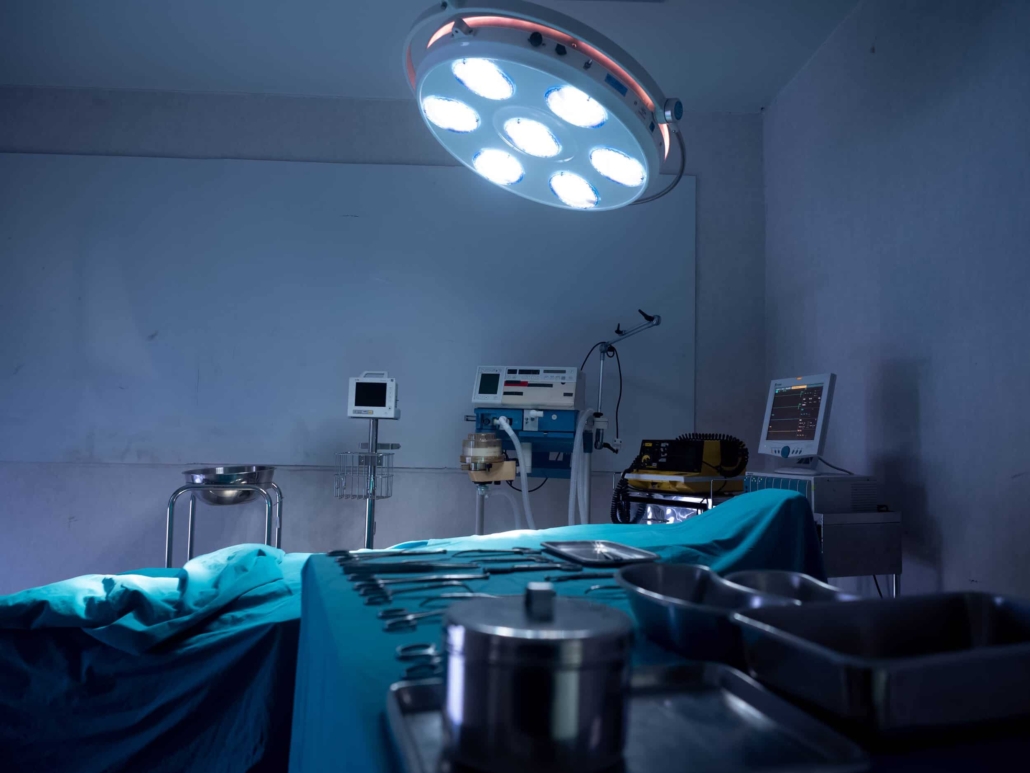
Drapes, gowns, towels, and covers don’t just sit in the background. They come into direct contact with sterile fields and open surgical sites. That means they can’t be treated like regular hospital linens. The stakes are too high.
Good surgical linen management isn’t just about making sure things look clean. It’s about actually reducing infection risk, supporting sterile technique, and making sure every OR runs with the same level of consistency and safety. Because in surgery, there’s no room for variables.
Surgical Linens Face Higher Exposure Than Other Hospital Textiles
Operating room textiles encounter higher levels of biological exposure than general patient bedding. They absorb fluids, contact surgical instruments, and remain in close proximity to open wounds. This exposure increases the risk of contamination if handling protocols fall short at any stage.
Because of this elevated risk, surgical linen management must focus on controlling every step of the process, from collection through return. Visual inspection alone cannot confirm safety. Surgical textiles must be processed under conditions designed specifically for healthcare use.
Strict Separation Is Essential for Surgical Linen Safety
One of the most critical reasons operating room textiles require special handling is the need for absolute separation between clean and soiled items. Even brief or accidental crossover can compromise sterile inventory.
According to the CDC’s Guidelines for Environmental Infection Control in Healthcare Facilities, laundry facilities should be partitioned into separate “dirty” and “clean” areas, with contaminated textile receiving areas maintained at negative air pressure relative to clean areas to minimize recontamination.
Additionally, research published in the AORN Journal emphasizes that cleaned and contaminated linen must be transported in vehicles that permit separation of clean and contaminated items, and clean linens must be packaged prior to transport to prevent contamination from dust and dirt during loading, delivery, and unloading.
Surgical linen protocols require defined pathways for collection, transport, washing, and staging. Clean items must remain protected from exposure at all times. This separation reduces the chance that contaminants reenter the surgical environment and supports infection prevention efforts within the operating suite.
Surgical Linen Management Depends on Controlled Wash Processes
Surgical textiles cannot rely on standard wash cycles. Effective processing requires validated temperatures, chemical concentrations, and cycle times that consistently reduce microbial load. The CDC is clear on this: hot water washing needs to hit at least 160°F (71°C) and stay there for a minimum of 25 minutes to effectively destroy microorganisms.
The AORN Journal backs this up, showing that proper laundering combines heat, chemicals, and physical action to kill microorganisms, with temperatures held at 71°C (159.8°F) for at least 25 minutes.
Variability creates risk, especially in high volume surgical departments. Special handling protocols ensure that every load receives the same treatment, regardless of schedule pressure or volume fluctuations. Consistency is what allows surgical teams to trust that textiles entering the OR meet microbiological safety expectations.
Post Wash Handling Protects the Sterile Field
Even after laundering, surgical linens remain vulnerable to contamination. Improper folding, staging, or storage can undo earlier controls. For this reason, post wash handling plays a critical role in surgical linen management.
Surgical linens must be inspected for damage, excessive wear, or residue before returning to service. Clean items should be folded and packaged in controlled environments that limit exposure. This attention to handling protects the sterile field and prevents delays caused by unusable linens during procedures.
Operating Room Efficiency Depends on Reliable Linen Protocols
Operating rooms operate on tight schedules. Missing or unsuitable linens can delay cases, disrupt turnover, and increase stress for surgical staff. Specialized surgical linen management helps prevent these issues by maintaining predictable supply levels and consistent quality.
Reliable protocols support operating rooms by:
- Ensuring adequate par levels for scheduled procedures
- Reducing last minute searches for replacement textiles
- Supporting faster room turnover between cases
- Allowing staff to focus on patient care instead of logistics
When linen systems remain dependable, surgical teams can maintain focus on outcomes rather than supply concerns.
Surgical Linen Protocols Support Compliance and Risk Management
Operating rooms face intense regulatory oversight. Laundry practices that support surgical services must align with infection prevention policies and accreditation standards. Documentation and verification matter as much as outcomes.
Certified healthcare laundry processes provide the accountability that surgical departments need. They demonstrate that linen handling follows repeatable, monitored protocols designed for patient safety. This documentation supports audits and strengthens the hospital’s overall risk management framework.
Healthcare Processing Reduces Risk for Surgical Textiles
Not all laundry environments are appropriate for surgical linens. Facilities that process textiles from non medical industries introduce unnecessary exposure risk. Surgical textiles require healthcare focused handling from start to finish.
A healthcare approach ensures that surgical linens move through systems designed around clinical safety expectations. This focus helps protect sterile environments and reinforces infection prevention strategies across surgical services.
Supporting Safer Surgical Environments Through Better Linen Protocols
Operating rooms demand precision at every level. Surgical linens are no exception. Special handling protocols ensure that textiles entering these spaces meet the highest standards for safety, consistency, and reliability.
Our team works with medical centers to align surgical linen management with infection prevention goals and operating room workflows.
If your facility is reviewing how laundry practices support surgical safety, we are ready to help. Contact CORE Linen Service to discuss how specialized surgical linen protocols can strengthen patient protection and support efficient operating room performance.